Section

Musings

5 articles

When Life Calls Us Deep Within

When Life Calls Us Deep Within

The age of 49 is a time to reorient and mature. The Greek philosopher Plato, as always, offers some guidance. Around the time we turn 49, we tend to question our self-image. We often experience self-doubt and emphasize more the deficit on our balance sheet of life. Add to this questioning the fact that—for the last 49 years—we’ve been convinced our bodily performance would continue unabated. The first signs of demise disrupt this autosuggestion. We probably find our careers overly …

Volker Rothfuß · 10 June 2026 · 1 min
Responses to the Interview with Serhii Kopyl

Responses to the Interview with Serhii Kopyl

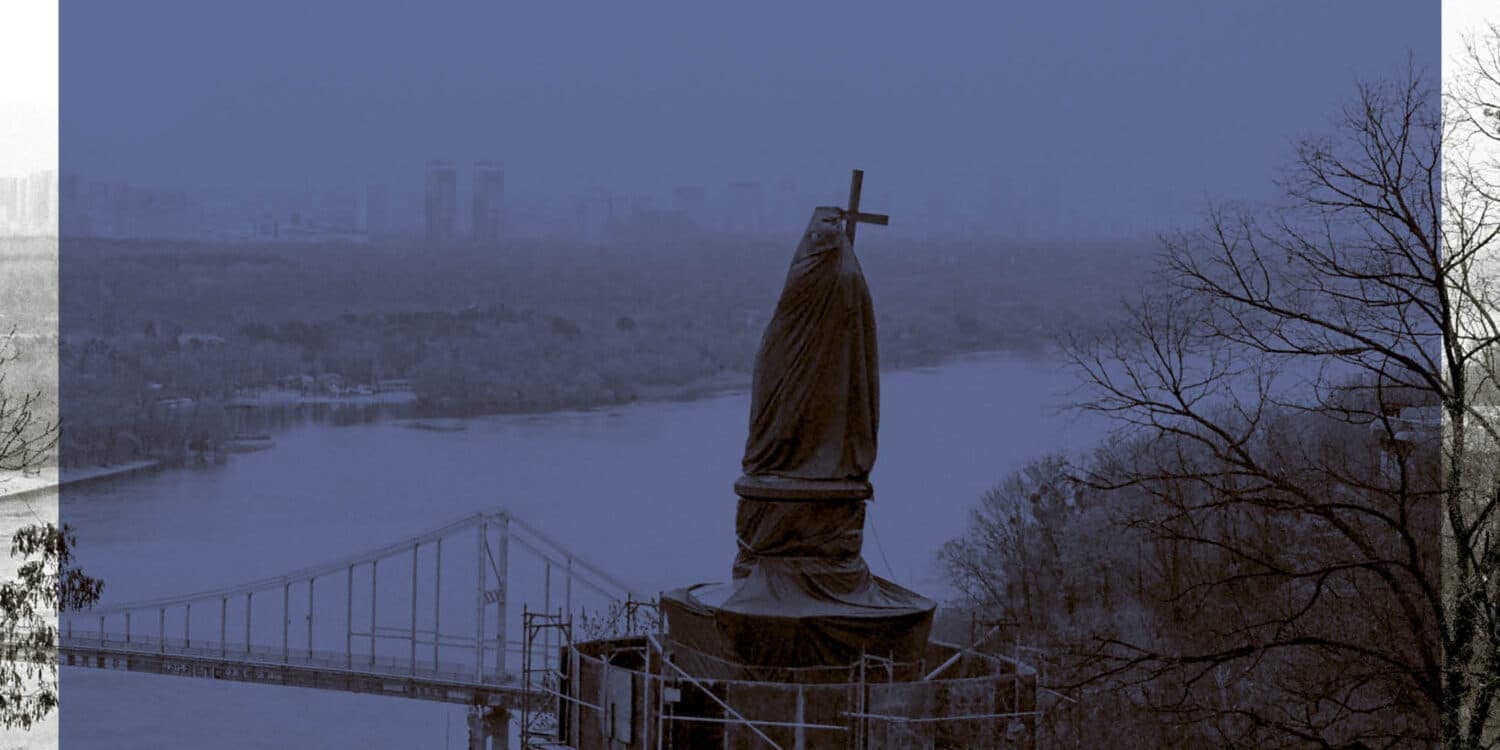
Reflections and reader responses to the interview by Frode Barkved with Ukranian Serhii Kopyl, “Everything I Own, I Carry with Me.” Winston Churchill wrote that the first casualty of war is truth, speech. Indeed, violence silences and polarizes. We welcome here an open conversation about this most terrible war in Europe since 1945. Renatus Derbidge Questions We Can No Longer Avoid To me, this article is among the best I have read in Das Goetheanum in a long time. Not …

Redaktion · 03 June 2026 · 1 min

“The Misbegotten”: Fritz Koegel and His Family

“The Misbegotten”: Fritz Koegel and His Family

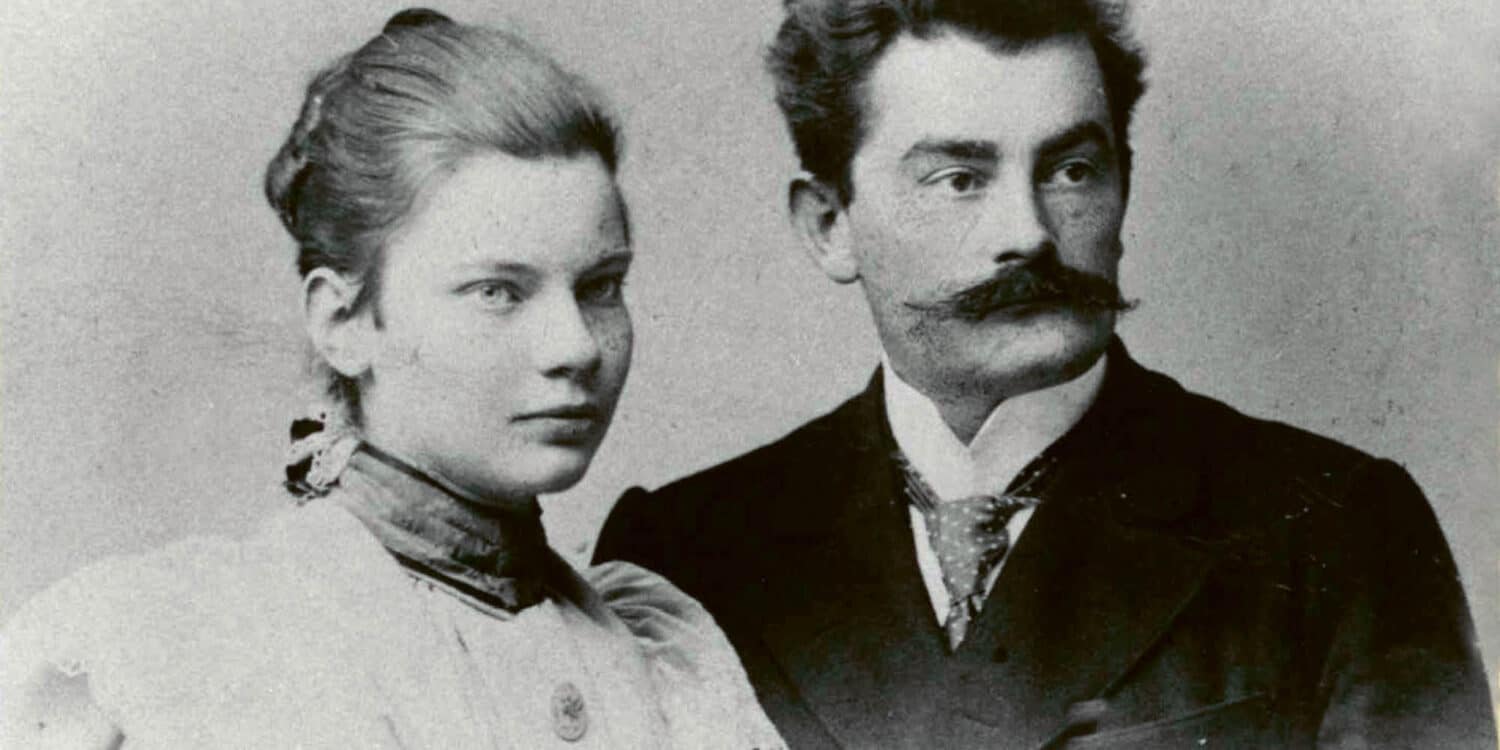
Marginalia on Rudolf Steiner’s Life and Work 39. As a talented editor, Fritz Koegel found his calling at the Nietzsche Archive. He became embroiled in a conflict with Elisabeth Förster-Nietzsche, a conflict Rudolf Steiner was also drawn into. Career setbacks, artistic endeavors, and a family life overshadowed by depression lead to early tragedies. When Rudolf Steiner visited the Nietzsche Archive in Naumburg for the first time on May 26, 1894, along with his colleagues from the archive and the poet …

Martina Maria Sam · 03 June 2026 · 1 min

The Maternal Body

The Maternal Body

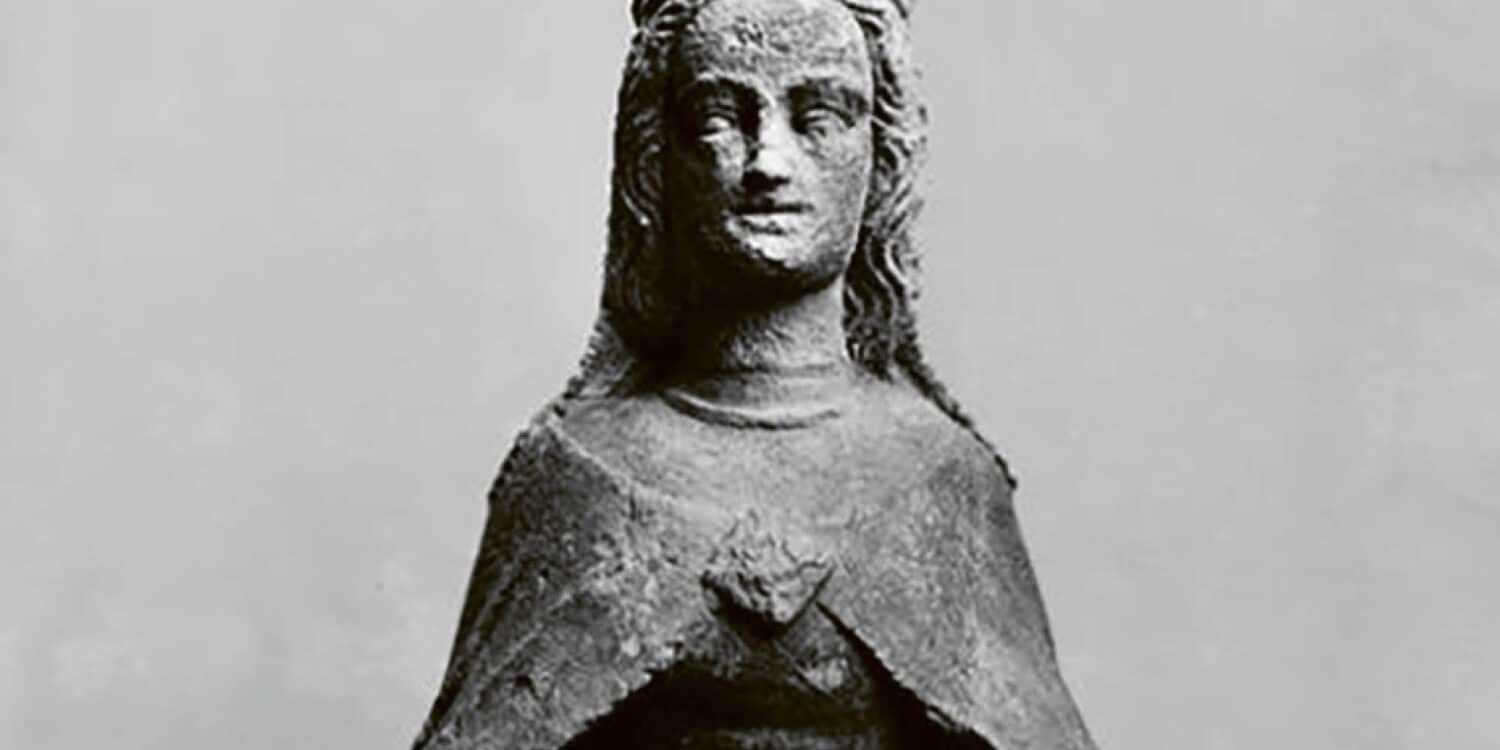
When Marcel Proust was denied a kiss, the longing that remained gave birth to his future writings. Ensheathed by the principles of the mother and unconditional love, we are perpetually reborn. Marcel Proust’s In Search of Lost Time opens with a missing kiss. His mother stays at an evening party and sends word to her son that she cannot say goodnight to him tonight—and thus plunges him into a deep crisis. In the absence of his mother’s kiss, an inner …

Luke Wilkins · 27 May 2026 · 1 min

Embodying Anthroposophy

Embodying Anthroposophy

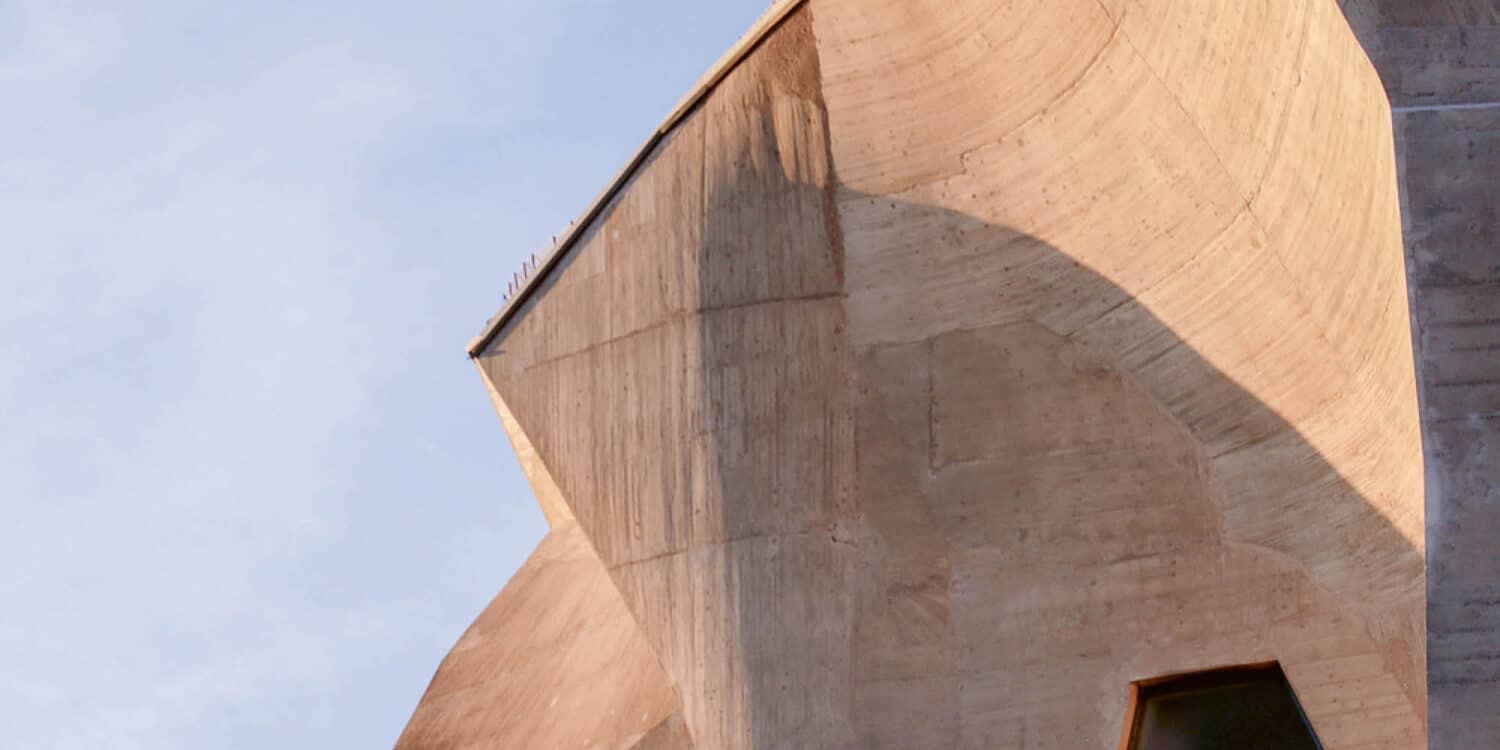
Our physical body [Körper] resembles everything visible and formed. When viewed as a body of functions and processes [Leib], it emerges as a living whole. Anthroposophy can be understood as this kind of body, a body of spirit for the ‘I’. A meditation for the Pentecostal season. The physical body [Körper] refers to the material form of a human being. The Latin root corpus denotes a corpse, as well as things like a piece of furniture or a musical instrument, …

Kai Hansen · 27 May 2026 · 1 min